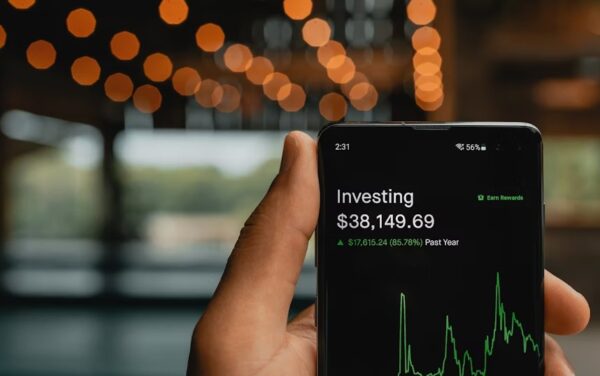
If you’ve ever thought about investing but felt like you needed thousands to get started, think again. In South Africa today, you can start your investment journey with as little as R100. That’s right — just one hundred rand.
Whether you’re a student, a young professional, or someone looking to grow your savings, small beginnings can lead to big results over time. Let’s break it down in simple, human terms — no confusing financial jargon.
Start Small, Think Long-Term
One of the biggest mistakes people make is waiting until they have “enough money” to start investing. The truth is, the earlier you start, the better. Investing is not about how much you start with, but how consistently you do it. Even R100 invested every month can make a difference when you let time and compound interest do their magic.
Why Compound Interest Is Your Best Friend?
Compound interest simply means your money earns more money over time. Think of it like a snowball rolling downhill — it gets bigger as it goes. For example, if you invest R100 each month and earn an average return of 8% a year, you could have over R18,000 after 10 years. It’s slow and steady growth, but it works — especially when you stay consistent.
Where to Start Investing in South Africa With R100?
Now let’s talk about where you can actually put your money. Thankfully, there are easy, trustworthy platforms made just for beginners:
- EasyEquities: One of the most popular and beginner-friendly platforms in South Africa. You can buy shares or ETFs starting from just a few rand. (Check out EasyEquities)
- SatrixNOW: A great option if you prefer index funds. You can start investing with R100 and track your progress easily. (Visit SatrixNOW)
- TymeBank GoalSave: Perfect for people who want to save first and earn interest while learning about investing.
You don’t need to be a finance expert. These apps are designed for everyday South Africans — with simple interfaces and low fees.
What Can You Invest In With R100?
You don’t need fancy strategies or risky bets. Here are a few realistic and low-stress options:
- ETFs (Exchange-Traded Funds): These allow you to invest in a bundle of companies instead of just one, which lowers your risk.
- Unit Trusts: Managed by professionals, good for people who prefer a hands-off approach.
- Tax-Free Savings Account (TFSA): A great long-term choice where your profits aren’t taxed.
- Shares: You can buy fractional shares in big companies — so even R100 can give you ownership in a business like Shoprite or MTN.
Simple Steps to Get Started
Ready to begin? Here’s how to start investing your first R100 without overthinking it:
- Pick a platform: Register on a trusted site like EasyEquities or SatrixNOW.
- Deposit your R100: Use EFT or card payment to load your balance.
- Choose your investment: Start with an ETF or a low-risk fund.
- Set a monthly plan: Automate your investment — even if it’s just R100 each month.
- Stay consistent: Don’t pull your money out just because markets fluctuate. Give it time.
Common Mistakes Beginners Make
Investing is simple, but there are a few traps to avoid if you want to succeed:
- Following “hot tips” on social media without doing your research.
- Expecting instant profits — investing takes time.
- Ignoring fees — small costs can eat into your returns over time.
- Panicking when markets dip — ups and downs are normal.
How to Grow From R100 to R1,000 and Beyond?
Once you’ve started and built confidence, slowly increase your investment. If you can go from R100 to R200 or R500 a month, your growth compounds even faster. The goal is to make investing a monthly habit — like paying a bill to your future self.
Keep Learning Along the Way
Investment success isn’t about luck — it’s about learning. Follow South African finance blogs, YouTube channels, or even podcasts to keep improving your knowledge. Understanding how markets work helps you make smarter decisions and stay calm during market changes.
Realistic Expectations
Let’s be honest — investing R100 won’t make you rich overnight. But it will build a foundation. After a few years, you’ll see progress and realize that your small steps today are shaping your financial future. Everyone starts somewhere, and this is your start.
FAQs About How to Start Investing With Just R100
1. Can I really start investing with R100?
Yes, you can. Platforms like EasyEquities and SatrixNOW are built for exactly this purpose — making investing accessible to everyone.
2. Which is the best investment for beginners?
ETFs are a great starting point because they spread your risk across many companies while keeping costs low.
3. Is R100 enough to make a difference?
Absolutely. The goal is to start small and grow. Over time, you can increase the amount as your income rises.
4. How often should I invest?
Monthly is ideal. Automating your investment ensures consistency and builds discipline.
5. What if I lose money?
Short-term drops happen, but long-term investors usually see positive returns. Stay patient and avoid panic selling.
6. Do I need to be good with numbers to invest?
Not at all. Most investment platforms do the math for you and provide simple charts and updates.
7. Should I invest or save first?
Do both if you can. Save for emergencies first, then invest for long-term goals.
8. How long should I keep my money invested?
At least 3–5 years. The longer you stay invested, the more your money can grow.
9. Can students start investing?
Yes! In fact, students have the biggest advantage — time. The earlier you start, the more your money compounds.
10. Are these platforms safe?
Yes, reputable platforms like EasyEquities and Satrix are regulated by the Financial Sector Conduct Authority (FSCA).
Conclusion
Starting with R100 might seem small, but it’s the best way to begin your investment journey. The point isn’t how much you start with — it’s that you start. Every rand you invest is a step toward financial independence.
Be patient, stay consistent, and let time do the heavy lifting. Ten years from now, you’ll look back and thank yourself for taking that first R100 leap.